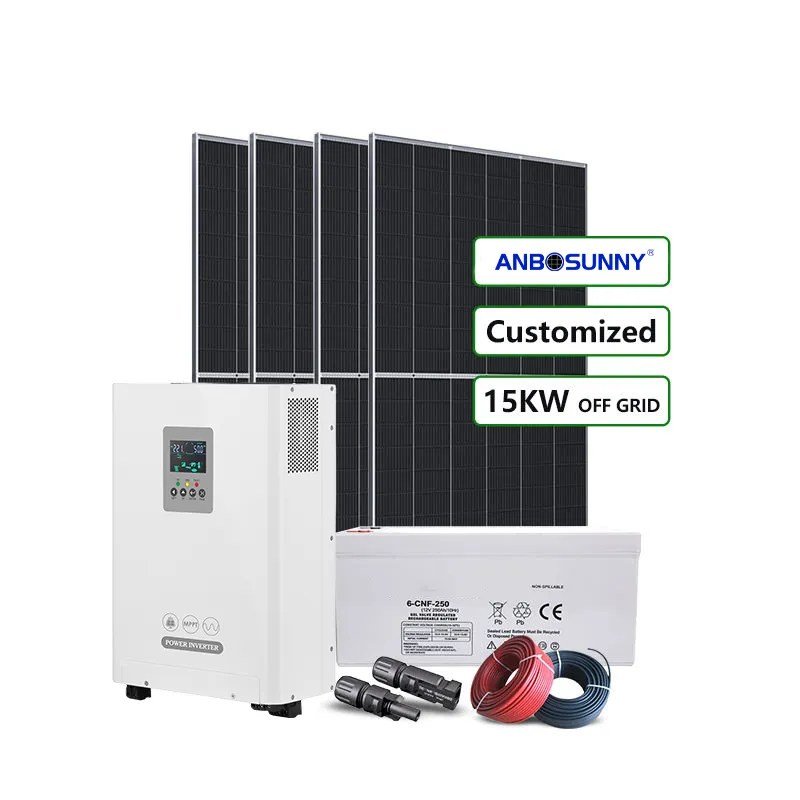
When the grid goes dark, the forecast calls for adventure, or you simply crave energy independence, nothing beats the peace of mind offered by a reliable solar generator. Forget the noisy, fume-spewing gas models – these quiet powerhouses harness the sun to keep your devices charged, your appliances running, and your life uninterrupted. But with so many options crowding the market, figuring out which one truly deserves a spot in your home or on your next expedition can feel overwhelming. That’s why we’re diving deep into the Top Solar Generator Brand Reviews & Comparisons to help you power your home, campsite, or even your next big tailgate without a hitch.
We’ve sifted through the specs, tested the promises, and distilled the essence of what makes a solar generator truly great. Consider this your definitive guide to understanding, comparing, and ultimately choosing the perfect solar power solution for your needs.
At a Glance: Your Solar Generator Cheat Sheet
- Capacity is King (Wh): This determines how long your devices run. Under 1,000Wh for small electronics, 1,000-1,500Wh for multi-day trips, and 2,000Wh+ for home backup or large appliances.
- Output Matters (W): Ensure the generator can deliver enough power to run your most demanding devices simultaneously. Look for 300W minimum, 500W+ for bigger jobs.
- Charge Up Fast: Prioritize high input wattage (for solar, wall, and car charging) to minimize downtime. Many top models boast several hundred watts of solar input.
- LiFePO4 is Best: This battery chemistry offers superior lifespan, safety, and faster charging cycles compared to older lithium-ion.
- Portability vs. Power: Balance the need for lightweight mobility with the power demands of your setup. Features like wheels and handles are game-changers for heavier units.
- Mind the Price: Solar generators are an investment, but look for deals during major sales events. Calculate value based on price per watt-hour (power station) and price per watt (solar panels).
Why Go Solar? The Undeniable Appeal of Renewable Power
Imagine a power outage. Instead of scrambling for candles or firing up a noisy, fuel-guzzling generator, you simply plug into a silent, emission-free box that’s been quietly soaking up sunlight all day. That’s the core promise of a solar generator. They combine a portable power station (a large battery with various outlets) with compatible solar panels, offering a truly self-sufficient energy solution.
Their applications are vast:
- Emergency Preparedness: Keep essential appliances like refrigerators, lights, and communication devices running during power failures. This is a critical component of any comprehensive emergency preparedness checklist.
- Outdoor Adventures: From camping and glamping to RV trips and van life, solar generators provide reliable power for everything from coffee makers to electric coolers, enhancing your experience of eco-friendly camping gear.
- Remote Work & DIY: Power tools on a job site far from an outlet, or keep your laptop and Wi-Fi hotspot humming in a secluded cabin.
- Tailgating & Events: Run blenders, speakers, and TVs without needing a noisy gas generator.
These units are generally quieter, lighter, and more environmentally friendly than their gas counterparts. And with free recharging from the sun, they represent a smart, long-term investment.
Decoding the Specs: What to Look for in a Solar Generator
Choosing the right solar generator isn't just about picking the most powerful or the cheapest; it's about matching the unit's capabilities to your specific needs. Here's a deeper dive into the key factors you should consider:
Capacity (Watt-hours - Wh): How Much Power Can It Hold?
Think of Watt-hours (Wh) as the fuel tank of your solar generator. It tells you how much energy the battery can store.
- Under 1,000Wh: Great for charging phones, laptops, drones, and small electronics over a few days. Excellent for light camping or short power blips.
- 1,000-1,500Wh: A good minimum for multi-day road trips, powering a small fridge, lights, and various gadgets.
- 2,000Wh+: Essential for home backup, running full-sized appliances like refrigerators, microwaves, or even small air conditioners, especially when paired with powerful solar panels for continuous recharging. Many larger units are expandable, allowing you to add more battery packs later to boost capacity.
How to Estimate Your Wh Needs:
- List your devices: What absolutely must stay powered?
- Find their wattage: Check the labels (e.g., laptop 60W, mini-fridge 80W).
- Estimate run time: How many hours will each device run?
- Calculate: (Device Wattage) x (Hours Needed) = Wh per device.
- Sum it up: Add all device Wh to get your total daily Wh needed.
- Add a buffer: Always overestimate by 20-30% to be safe.
Example: A 60W laptop running for 5 hours needs 300 Wh. A 80W mini-fridge running for 12 hours needs 960 Wh.
Charging Capability (Watts - W): How Fast Does It Refuel?
This refers to the maximum power the generator can accept for recharging.
- Solar Panel Input: Look for several hundred watts of input capacity if you plan serious solar recharging. The higher the number, the faster you can refill your battery from the sun. Minimum recommended is 100W.
- Wall Outlet (AC) Charging: Most units can rapidly charge from a standard wall outlet. Fast charging (0-80% in under an hour) is a significant convenience.
- Vehicle 12V Charging: Handy for topping up while driving, though usually slower than solar or wall charging.
Output Capability (Watts - W): How Much Power Can It Deliver?
This spec indicates the maximum continuous power the generator can supply to your devices simultaneously.
- Continuous Output: Should be higher than the combined running wattage of all devices you plan to use at once. Minimum 300W for basic use, 500W+ for larger tasks, and 1,800W+ for serious appliance power.
- Surge Output: Many appliances (refrigerators, power tools) briefly draw much more power when they start up than they do while running. Ensure your generator’s surge wattage capacity can handle these initial spikes. A rough rule of thumb is to expect surge wattage to be 3-6x the running wattage.
- Port Variety: Look for a good mix of AC outlets (standard wall plugs), USB-A, USB-C (especially Power Delivery for fast laptop charging), and 12V car or RV ports. More variety means more versatility.
Portability: Can You Take It With You?
Solar generators come in all sizes and weights.
- Weight: Ranging from lightweights around 7 lbs (for small units like the Jackery Explorer 300) to heavy-duty beasts over 100 lbs for large home backup systems. Most versatile models fall between 30-60 lbs.
- Design: Look for integrated handles, sturdy wheels, and a compact, stackable shape (like Bluetti's squared design) for easier storage and transport. Durability is key, especially if you plan to use it as part of your off-grid living solutions.
Durability: Built to Last
Especially for outdoor use, robustness is crucial.
- Build Quality: Look for solid construction materials and a design that feels like it can withstand bumps and knocks.
- IP Ratings: An IP (Ingress Protection) rating indicates resistance to dust and water. IPX4 for splash resistance, IP55 for dust and some water jets.
- Warranty: A good warranty signals manufacturer confidence in their product.
Battery Chemistry: LiFePO4 for the Win
This is a critical distinction.
- LiFePO4 (Lithium Iron Phosphate): The gold standard. Offers significantly longer lifespans (thousands of charge cycles, often 3,000-6,000 cycles to 80% capacity), enhanced safety (less prone to thermal runaway), and often faster charging. While they can be slightly heavier than traditional lithium-ion, the benefits far outweigh this.
- Lithium-ion (NMC/NCA): Older tech, typically found in smaller, cheaper units. Shorter lifespan (500-1,000 cycles) and higher thermal sensitivity.
Price: An Investment, Not Just a Purchase
Solar generators are expensive, but consider them a long-term investment in energy security and convenience.
- "List Prices" are Misleading: Manufacturers frequently offer discounts, especially during major shopping holidays (Amazon Prime Day, Black Friday). Never pay full price if you can wait.
- Value Calculation:
- Power Station: Aim for roughly $0.82 per Watt-hour (Wh).
- Solar Panels: Look for around $2.84 per Watt (W).
- Bundles: Often, buying a generator and its matching solar panels as a bundle offers better value.
Demystifying Your Power Needs: A Practical Guide
Understanding your specific power requirements is the first and most crucial step in choosing the right solar generator. Let's break it down into actionable steps.
- Identify Your Critical Items: List every device or appliance you intend to power. Be realistic. Do you really need to run a hair dryer off-grid, or just a coffee maker and your phone?
- Examples: Refrigerator, laptop, phone, CPAP machine, electric grill, lights, portable fan.
- Determine Each Item's Wattage (W): Most devices have a label indicating their wattage. If not, a quick online search for "[device name] wattage" will usually give you a good estimate.
- Tip: Remember that startup (surge) wattage can be much higher for motors (fridges, blenders, power tools) than running wattage. Estimate surge at 3-6x running wattage.
- Estimate Daily Run Time (Hours): How long will each item realistically need to run each day?
- Example: Refrigerator: 8-12 hours (it cycles on/off). Laptop: 4-6 hours. Phone: 1-2 hours.
- Calculate Daily Watt-Hours (Wh) for Each Item:
Device Wattage (W) x Run Time (Hours) = Daily Wh Needed- Example: 60W laptop x 5 hours = 300 Wh. 100W blender x 0.1 hours (6 minutes) = 10 Wh.
- Sum Your Total Daily Wh: Add up the daily Wh for all your critical items. This is your target generator capacity.
- Always add a 20-30% buffer to account for inefficiencies, varying device draw, and unexpected needs. If your calculation is 1000 Wh, aim for a 1200-1300 Wh generator.
- Consider Peak Power Output (W): What is the highest simultaneous wattage you'll need? If you plan to run a 1500W microwave and a 500W coffee maker at the same time, your generator needs an output of at least 2000W (plus surge capacity for the microwave). Most portable power station buying guide recommend matching peak output to your highest drawing appliance's surge wattage.
- Solar Sizing "Rule of Five": For truly self-sufficient, daily recharging, a good rule of thumb is to aim for your solar panel wattage to be about one-fifth (1/5) of your power station's Wh capacity.
- Example: For a 4,000Wh power station, you'd ideally want about 800W of solar panels (4000 / 5 = 800).
- Adjust for Conditions: This is a general guide. In sunny climates, you might need slightly less. In cloudy or winter conditions, you might need more, or simply accept longer recharge times.
Top Solar Generator Brands & Models: Our Expert Picks
Now that you're armed with the knowledge, let's look at the best solar generators available today, tailored for various needs and budgets.
Best Overall: Bluetti Elite 200 v2
The Bluetti Elite 200 v2 hits a near-perfect balance of capacity, output, and intelligent design, making it our top pick for most users seeking versatile, reliable power.
- Capacity: 2,073 Wh
- Output: 2,600W running, 3,900W surge – ample power for most home appliances and tools.
- Input: Blazing fast charging with 1,000W solar and 1,800W wall input, allowing a 0-full charge in just ~90 minutes from a wall outlet.
- Battery: LiFePO4, boasting an incredible >6,000 charge cycles to 80% capacity, meaning it's built to last for decades.
- Features: User-friendly app for remote monitoring, a robust and space-efficient squared design for easy storage, and a great balance of portability for its power.
Still Great (High Power/LiFePO4): Jackery Explorer 2000 Plus
Jackery remains a formidable contender, and the Explorer 2000 Plus offers serious power and expandability, perfect for extended adventures or as a robust RV power solutions component.
- Capacity: 2 kWh (2,000 Wh), with expandability up to 12 kWh with additional battery packs.
- Output: Up to 6,000W, handling even the most demanding appliances.
- Battery: LiFePO4, rated for 4,000 cycles to 70% degradation.
- Portability: At 61 lbs, it includes integrated wheels, a handle, and comfortable grips for easier transport, despite its substantial size.
- Solar Panel (SolarSaga 200W): When bundled, Jackery’s SolarSaga panels are known for exceptional performance, even in challenging conditions (184W clear, 49W cloudy), with easy setup and color-coded cables.
Best High-Capacity: EcoFlow Delta 3 Ultra Plus
For those who need serious, expandable power, the EcoFlow Delta 3 Ultra Plus stands out with its massive capacity and rapid charging options.
- Capacity: 3,072Wh standalone, expandable to much larger capacities with extra batteries.
- Output: 3,600W running, with X-Boost up to 4,600W, and an impressive 7,200W surge capacity, capable of handling virtually anything you throw at it.
- Charging: Offers six charging options, achieving a full charge in as fast as 89 minutes. Includes a unique Storm Guard Mode for unpredictable weather.
- Features: Thoughtful design details like sliding rear port doors for protection, a sturdy handle, telescoping wheels for enhanced portability, and a convenient 30A RV outlet.
Best for Home Backup: Jackery HomePower 3000
When reliable, infrequent home backup is your primary concern, the Jackery HomePower 3000 delivers.
- Capacity: 3,000Wh, providing significant reserve power.
- Features: "ZeroDrain" technology helps maintain its charge during long periods in storage, making it ideal for sporadic emergency use. It also boasts an improved size-capacity-performance ratio, making it a more efficient use of space for its power output compared to previous models. This makes it a strong contender for home energy storage needs.
Best for Off-Grid Living: Bluetti Apex 300
The Bluetti Apex 300 is designed for serious off-grid applications where expandability and robust power are non-negotiable.
- Features: Offers huge expandability for both storage capacity and output, allowing it to scale with growing off-grid needs. Intuitive operation despite its complexity.
- Solar Input: Features standard dual 1,200W solar input, enabling very fast recharging from a substantial solar array.
- Consideration: This unit is very heavy, so it's best suited for more static setups rather than frequent relocation.
Best Solar for Off-Grid Living (Outdoorlife): EcoFlow Delta 2 Max with EcoFlow 220W Bifacial Portable Solar Panel
For a balanced, user-friendly system ideal for semi-permanent off-grid setups or extensive outdoor stays, this EcoFlow combination shines.
- Power Station (EcoFlow Delta 2 Max): Efficient and lightweight for its capacity (2048Wh, expandable to 6Wh), user-friendly interface, and a generous six AC outlets on the back, which is great for a static setup.
- Solar Panel (EcoFlow 220W Bifacial): Provides high power output for its cost and weight. The bifacial design can capture sunlight from both sides, potentially increasing efficiency. Uses the common XT-60 connector.
- Consideration: The panel setup can be a bit fiddly, as it uses its carrying case as a stand.
Best for RVs: Anker SOLIX F2000 with Anker SOLIX 200W Solar Panel
The Anker SOLIX F2000 is tailor-made for RV life, offering convenient power and excellent maneuverability.
- Power Station (Anker SOLIX F2000): Delivers 2400W output, which is more than enough for most RV appliances. Crucially, it includes a built-in RV plug (TT-30R) for direct hookup. Highly maneuverable handles make it comfortable to pull around a campsite.
- Solar Panel (Anker SOLIX 200W): Simple to use and consistently delivers >75% of its rated output. Supports chaining up to five panels for significant solar input, making it one of the best portable solar panels for RV users.
Best for Frequent Use: Anker 767
If you need a workhorse that can handle daily demands and continuous powering, the Anker 767 is built for endurance.
- Capacity: 2048Wh.
- Output: 2,400W, capable of powering robust appliances and tools.
- Battery: LiFePO4, rated for 3,000 cycles to 80% health, ensuring a long and reliable service life.
- Portability: At 67.3 lbs, it features built-in wheels and an extendable handle, making it relatively easy to move despite its weight.
- Charging: Incredibly fast AC charging, reaching 0-80% in less than 30 minutes and a full charge in approximately 2 hours.
Fastest Charging: EcoFlow Delta 2 Max
When time is of the essence and you need a rapid power top-up, the EcoFlow Delta 2 Max excels.
- Capacity: 2048Wh, expandable to a massive 6Wh with external batteries.
- Charging: Boasts an impressive 1,000W solar input capacity, allowing 80% charge in just 43 minutes under ideal sun. From a wall outlet, it goes from 0-80% in a mere 1.1 hours.
- Connectivity: Features six AC outlets, providing ample connectivity for multiple devices.
- Consideration: While powerful, it uses chunky handles rather than wheels, which can make it less portable for some users.
Best for Car Camping: Anker Solix C800 Plus
Compact, capable, and clever, the Anker Solix C800 Plus is perfectly sized for car camping adventures.
- Size/Weight: Roughly shoebox-sized and weighing just 24 lbs, it’s highly portable.
- Capacity: 768Wh, enough for multiple days of charging essentials.
- Output: 1,200W, sufficient for small appliances and electronics.
- Charging: Accepts 300W solar input, allowing for a full charge in about 3 hours.
- Features: A unique integrated magnetic lantern with three modes adds a practical touch for camping.
Best for Camping (Outdoorlife): Bluetti AC60 with Bluetti PV120 Solar Panel
For true ruggedness and outdoor reliability, the Bluetti AC60 and its accompanying PV120 panel are an excellent duo.
- Power Station (Bluetti AC60): Features an IP rating for dust and water jet resistance, making it robust for outdoor conditions. Its compact size is perfect for stowing away.
- Solar Panel (Bluetti PV120): Offers high output (16W more than comparable Anker panels) and smart design features like snap buttons for easy angle adjustment and integrated snaps for secure folding and transport.
Best Portable Solar Generator (Outdoorlife): Anker SOLIX C1000 with Anker SOLIX 200W Solar Panel
If you need a strong punch in a petite package, the Anker SOLIX C1000 system delivers.
- Power Station (Anker SOLIX C1000): Offers 1056Wh capacity and an impressive 2400W output for its size. Can handle up to 600W solar input, making it highly efficient for rapid recharging. It’s both petite and powerful.
- Solar Panel (Anker SOLIX 200W): Provides ample power and is manageable to carry alongside the power station, creating a truly portable and capable setup.
Still Good for Van-Living: Goal Zero Yeti 1000 Core
The Goal Zero Yeti line has long been a favorite, and the 1000 Core remains a solid choice for van dwellers.
- Capacity: 1,000Wh, providing a decent amount of power for a mobile setup.
- Features: Known for its hearty, durable build quality that stands up to the rigors of van life. It charges faster than some competitors in its class.
- Consideration: Generally comes at a higher cost compared to newer alternatives with similar or better specs.
Best for Lots of Ports: DJI Power 2000
If your setup involves many devices needing simultaneous power, the DJI Power 2000 is a port-lover's dream.
- Capacity: 2,048Wh.
- Output: 3,000W running.
- Ports: Features an impressive array of connectivity: four AC outlets, four USB-A ports, four USB-C ports, and a 30A plug.
- Drawback: Its battery lifespan is rated for 80% after 4,000 cycles, which is good, but falls short of the 6,000 cycles offered by leading brands like Bluetti for LiFePO4 batteries.
Best for Extreme Cold: Bluetti Pioneer Na
For unparalleled performance in frigid temperatures, the Bluetti Pioneer Na breaks new ground with its sodium-ion battery.
- Battery: The first sodium-ion solar power generator, offering distinct advantages in cold climates.
- Temperature Range: Can charge down to 5°F (-15°C), discharge down to -13°F (-25°C), and store at -20°F (-29°C) – significantly superior to lithium-ion batteries below 4°F.
- Capacity: 900Wh.
- Output: 1,500W.
- Charging: Remarkably fast charging, going from 0-full in approximately 45 minutes.
Best Budget: Jackery Explorer 300
For those just dipping their toes into portable power or needing a reliable, ultralight charging station, the Jackery Explorer 300 is an excellent entry point.
- Price: Often available around $300 (or less during sales), making it highly accessible.
- Capacity: 293Wh – essentially an upscale, super-powerful power bank.
- Weight: A mere 7 lbs, making it incredibly portable.
- Features: Includes a built-in handle, an easy-to-read screen, and Jackery's characteristic durable build quality.
- Use Case: Ideal for basic device charging (phones, tablets, laptops), small fans, or short, casual camping trips.
Common Questions, Clear Answers
Even after reviewing the top contenders, a few questions often remain. Here are crisp answers to some of the most frequently asked:
How Long Do Solar Generators Last?
Most modern solar generators, especially those with LiFePO4 batteries, are rated to last upwards of 25 years. With few moving parts, their primary degradation comes from battery cycling. LiFePO4 batteries are typically rated for 3,000-6,000 cycles to 80% of their original capacity, which means even with daily use, they'll serve you for many years.
Can a Single Portable Solar Generator Power an Entire House?
Generally, no. A single portable solar generator, even a high-capacity one, is designed for critical loads or specific rooms, not an entire household's power needs. Powering a whole house typically requires multiple large units, careful power management, and often a more integrated home backup system like a manual transfer switch professionally installed. However, a good solar generator can certainly keep your fridge running, charge phones, and provide lights during an outage.
Can a Solar Generator Run a Refrigerator or Air Conditioner?
Yes, many solar generators can run these appliances, but it depends on their capacity and output.
- Refrigerator: A 2,000Wh power station can typically run a standard refrigerator for about a day, assuming the refrigerator cycles on and off. For extended use, you'll need powerful solar panels to constantly replenish the battery.
- Air Conditioner: Running a full-sized AC unit requires a very high output generator (2000W+) and will drain the battery very quickly. Small, portable AC units are more feasible, but still require significant power. Always check the appliance's wattage and surge wattage requirements against the generator's specs.
Are Solar Generators Worth the Money?
For many, absolutely. While the initial investment is higher than a comparable gas generator, the long-term benefits often outweigh the cost:
- Peace of mind: Reliable power during emergencies.
- Quiet operation: No noisy engine disturbing your peace or neighbors.
- Clean energy: Zero emissions, no fuel fumes, and eco-friendly.
- Free recharging: Once you have the solar panels, the "fuel" is free.
- Versatility: Useful for emergencies, camping, RVs, and remote work.
- Low maintenance: Few moving parts mean less upkeep compared to gas generators.
They are a worthwhile long-term investment for energy independence and preparedness.
Making Your Choice: A Path Forward
Selecting the ideal solar generator ultimately boils down to aligning its capabilities with your primary use case and budget.
- Start with your needs: Prioritize your essential devices and calculate your total Wh.
- Match output to demand: Ensure the generator can handle the peak wattage of your most power-hungry appliance.
- Consider charging speed: If you're frequently on the go, rapid charging from solar and AC is invaluable.
- Factor in portability and durability: Will it stay in one place or be constantly moved?
By following this guide and carefully reviewing the top solar generator brands and models, you're now well-equipped to make an informed decision. Whether you're preparing for the unexpected, embracing off-grid living, or simply enhancing your outdoor adventures, there's a solar generator out there ready to power your world.
For even more in-depth insights and detailed specifications, be sure to Read solar generator reviews from trusted sources. Happy powering!