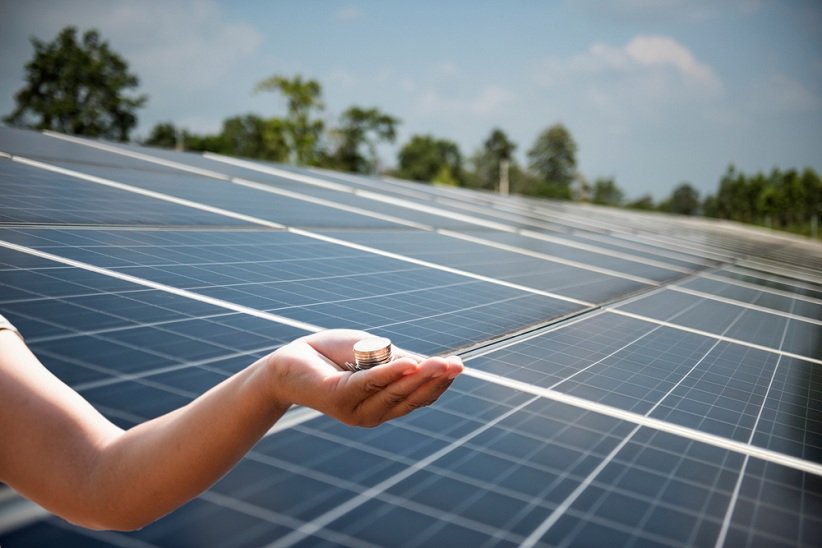
The hum of a remote campsite, the peace of mind during a power outage, or the freedom of working from anywhere—these moments are often powered by a silent, clean revolution: solar generators. But for many, the price tag can feel like a barrier. Good news: reliable, efficient off-grid power doesn't have to break the bank. We’ve meticulously researched and tested a range of Budget & Value Solar Generator Picks that prove you can get dependable performance without overspending.
Forget scrambling for outlets or wrestling with noisy, fume-spewing gas generators. A well-chosen budget solar generator offers a sustainable, quiet, and robust solution for everything from essential home backup to adventurous travel. It's about smart power—getting the energy you need, when you need it, at a price that makes sense.
At a Glance: Your Smart Power Takeaways
- Value is Key: You're balancing capacity, output, and features against price. It's not just about the cheapest option, but the one that offers the most bang for your buck.
- Know Your Needs: Estimate your daily power requirements. Are you charging phones and laptops, or running a small fridge? This dictates battery size and wattage output.
- Capacity Tiers: Expect 150-500Wh under $500, and up to 1200Wh under $1000. For overnight or emergency essentials, aim for 500Wh or more.
- Pure Sine Wave Matters: Look for this feature for safely powering sensitive electronics. Most reputable budget units include it.
- LiFePO4 for Longevity: If possible, opt for lithium iron phosphate batteries for a longer lifespan and enhanced safety, even in budget models.
- Recharge Versatility: Solar, wall, and car charging are standard. Faster charging means less downtime.
- Key Trade-offs: Budget models often mean lower overall wattage, smaller batteries, and fewer advanced features (like app control) compared to their premium counterparts.
Why You Need a Smart Power Play: The Budget Solar Generator Advantage
Picture this: the lights flicker, then die. Your phone is at 10%, and the fridge groans its last. Or perhaps you're deep in the wilderness, miles from the nearest outlet, but still need to charge your drone, power your portable fan, or keep your essential medical device running. This is where a budget solar generator steps in, transforming potential headaches into moments of calm competence.
These aren't just gadgets; they're essential tools for modern living, designed to offer independence and security. They're lighter, cleaner, and vastly more convenient than traditional generators. Whether you're a weekend camper, an avid RVer, a dedicated emergency prepper, or a homeowner seeking a backup for critical appliances, there's a budget-friendly solar generator poised to meet your needs. We're talking about tangible value here: reliable power without the hefty investment, allowing you to stay connected, comfortable, and safe, no matter where life takes you.
Decoding Value: What to Look for (and What to Smartly Compromise On)
Navigating the world of solar generators can feel like learning a new language. Watt-hours, pure sine wave, MPPT—it's a lot to take in. But at its core, finding the right budget model means understanding a few key specifications and deciding where you can afford to make smart trade-offs.
The Power Bank: Battery Capacity (Wh)
This is the heart of your solar generator. Measured in watt-hours (Wh), battery capacity tells you how much energy your unit can store. Think of it like the size of your car's fuel tank. A 500Wh battery can deliver 500 watts for one hour, or 50 watts for ten hours.
- Under $500: Expect capacities typically ranging from 150Wh to around 500Wh. These are perfect for charging phones, laptops, cameras, and running small lights or fans for several hours.
- Under $1000: In this tier, you'll find units with capacities that can climb from 500Wh up to 1000Wh or even 1200Wh. This opens up possibilities for running small refrigerators, CPAP machines overnight, or powering a wider array of devices for longer periods.
Pro Tip: For true overnight or emergency backup for critical devices, aim for at least 500Wh. If you're just charging phones on a day trip, 200-300Wh might suffice.
The Muscle: Power Output (W)
While capacity tells you how long you can run devices, power output, measured in watts (W), tells you what devices you can run. This is crucial. Every appliance has a wattage rating; your generator's continuous output must exceed it.
- Continuous Watts: This is the power your generator can deliver consistently.
- Peak (Surge) Watts: Many devices, especially those with motors (like fridges or power tools), require a brief burst of higher power to start up. The surge rating indicates the maximum power your generator can provide for a few seconds.
Typical Output Ranges: - Under $500: Expect continuous output generally between 200W and 600W. This handles most personal electronics and many small kitchen appliances.
- Under $1000: Here, you'll commonly see outputs of 600W up to 1800W, sometimes even higher. This dramatically expands your capabilities, allowing you to power larger appliances or multiple devices simultaneously.
Important Note on Pure Sine Wave: Always look for "pure sine wave" AC output. This mimics the electricity from your wall outlets, making it safe for sensitive electronics like laptops, medical devices, and high-end audio equipment. Most reputable budget solar generators include this feature, but it's always worth double-checking.
Fueling Up: Recharge Options
A solar generator isn't much good if it can't refuel efficiently. Versatile charging options are a must.
- Solar Charging: This is the core appeal! Look for models with efficient Maximum Power Point Tracking (MPPT) controllers, which optimize power harvest from solar panels. Check the maximum solar input wattage (e.g., 100W, 200W). Faster solar input means quicker recharges.
- Wall Outlet (AC): The quickest way to charge. Many modern budget units offer fast AC charging, sometimes replenishing 80% capacity in under two hours.
- Car Charging (DC): Handy for topping off your generator while driving to your destination. This is typically the slowest charging method.
Charging Speed: For minimal downtime, aim for units that can fully recharge via a wall outlet in 3-6 hours, and via compatible solar panels in 5-10 hours depending on conditions and panel size.
Connect & Conquer: Port Variety
The more ports, the more devices you can power or charge simultaneously. Consider the types of ports you'll need:
- AC Outlets: For standard household plugs. Look for at least one, preferably two or more.
- USB-A Ports: For older phones, tablets, and many smaller electronics.
- USB-C Ports (especially Power Delivery/PD): Essential for modern laptops, smartphones, and fast charging. USB-C PD ports (e.g., 60W or 100W) are a huge plus.
- DC Ports (e.g., 12V car port, 5.5mm DC output): Useful for powering car fridges, portable air pumps, or other 12V accessories.
Some higher-end budget models might even offer wireless charging pads, adding a layer of convenience.
Built for the Road: Weight & Portability
Your solar generator's portability directly relates to its battery capacity. More capacity usually means more weight.
- Under $500: These units are often designed for grab-and-go convenience, weighing 5-15 lbs. They're easy to carry by hand for short distances.
- Under $1000: As capacity increases, so does weight, typically ranging from 15-30 lbs. Look for sturdy built-in handles. Larger units in this class might even start incorporating wheels for easier transport.
Think about how you'll be using it. Will it live in your trunk, or will you be carrying it on short hikes?
Understanding the Trade-Offs
When you opt for a budget solar generator, you're making intentional trade-offs. This isn't a bad thing; it just means you need to manage expectations.
- Lower Wattage Output: You might not be running your full-sized coffee maker or a high-wattage hair dryer. Focus on essentials.
- Smaller Battery Capacities: Don't expect to power your entire home for days. These are for critical devices or shorter periods.
- Fewer Ports & Advanced Features: You might not get app control, expandable battery options (unless specified), or a dizzying array of unique ports.
- Slower Charging Speeds (especially solar): While some budget models impress with fast AC charging, solar charging might take longer than premium units due to smaller included panels or lower maximum solar input.
- Durability: While reputable brands build solid budget units, some ultra-cheap options might skimp on construction materials. Always check reviews.
By understanding these limitations, you can make a purchase that perfectly aligns with your real-world needs without feeling shortchanged.
The Battery Heart: LiFePO4 vs. NMC
This is one of the most critical aspects of long-term value. Most solar generators use one of two lithium-ion chemistries:
- NMC (Nickel Manganese Cobalt): Common in many older or lower-cost portable power stations. They offer good energy density (more power in a smaller package) but typically have a shorter cycle life (500-800 cycles to 80% capacity) and can be less thermally stable.
- LiFePO4 (Lithium Iron Phosphate): Increasingly popular, even in budget-friendly units. LiFePO4 batteries boast significantly longer cycle lives (2,500 to 4,000+ cycles to 80% capacity), greater thermal stability (meaning less risk of overheating), and improved safety.
For a true "value" pick, especially if you plan frequent use, prioritize models with LiFePO4 batteries. The upfront cost might be slightly higher, but the vastly extended lifespan offers superior long-term savings and peace of mind. To truly understand the longevity and safety advantages of LiFePO4 batteries, dive into our comprehensive comparison.
Your Pre-Purchase Checklist: Navigating the Options with Confidence
Before you commit to a purchase, run through these essential steps to ensure you're making the best decision for your budget and power needs.
- Assess Your Power Needs (Precisely!):
- List every device you plan to power.
- Find the running wattage for each (often on a sticker or in the manual).
- Estimate how many hours per day you'll run each device.
- Calculate total daily Watt-hours (Wh) required. Example: A 50W laptop used for 4 hours = 200Wh.
- Consider surge watts for devices with motors.
- This total Wh number is your minimum battery capacity.
- Evaluate Battery Chemistry: Prioritize LiFePO4 for better longevity and safety, especially if you expect heavy use. While some what truly differentiates a solar generator from a simple portable power station is often the inclusion of solar charging capabilities, the battery chemistry is key to its lifespan.
- Balance Portability vs. Capacity: A larger battery means more weight. Decide what balance works best for your primary use case (e.g., car camping vs. home backup).
- Check Solar Panel Integration:
- Is a solar panel included? If not, is the generator compatible with readily available panels?
- What's the maximum solar input wattage?
- Does it have an MPPT controller? (Most good ones do).
- Research best portable solar panels for your setup if you're buying separately.
- Review Charging Options & Speed: Look for versatile input options (AC, solar, car) and prioritize fast AC charging for quick turnarounds.
- Prioritize Safety & Durability: Look for features like overcharge, over-discharge, over-current, and short-circuit protection. Reputable brands will highlight these. Read user reviews for real-world durability feedback.
- Consider Tax Credits & Warranty: Some larger home backup systems may qualify for federal tax credits (e.g., 30% Residential Clean Energy Credit), though this is less common for budget-tier portable units. Always check the warranty duration and brand reputation for customer service. A 2-5 year warranty is standard for quality brands.
Top Picks: Budget & Value Solar Generators That Deliver
We've scoured the market to bring you the best budget solar generator picks, categorized by price point to help you find your ideal match. These units offer an excellent balance of performance, features, and affordability, proving that reliable power doesn't have to be a luxury.
Under $500: Essential Power for Everyday & Emergencies
These compact, lightweight units are perfect for charging essentials, short camping trips, tailgating, or as a critical backup for small devices during an outage. They focus on delivering fundamental power at an accessible price.
Jackery Explorer 300
A perennial favorite, the Jackery Explorer 300 is a fantastic entry point into reliable portable power. It's built for portability and efficiency.
- Capacity: 293Wh lithium-ion battery.
- Output: 300W continuous AC (500W surge) pure sine wave.
- Ports: 2x AC, 1x USB-C (60W PD), 1x USB-A (Quick Charge 3.0), 1x DC car port.
- Portability: Weighs just 7.1 lbs.
- Key Features: Supports pass-through charging (use while charging), compatible with Jackery SolarSaga 100W panels, clear LCD display.
- Best For: Charging laptops multiple times, phones, drones, powering small fans or lights, camera gear. Excellent for day trips, light camping, or emergency essentials.
BLUETTI EB3A Portable Power Station
BLUETTI makes a strong statement in the sub-$500 category with the EB3A, offering impressive output for its size and a long-lasting battery chemistry.
- Capacity: 268Wh LiFePO4 battery (longer cycle life!).
- Output: 600W continuous AC (1200W surge) pure sine wave. This is a standout for this price point.
- Ports: 2x AC, 2x USB-A, 1x 100W USB-C PD, 1x DC car port, wireless charging pad.
- Portability: Approximately 10.1 lbs.
- Key Features: Ultra-fast wall charging (0-80% in about 30 minutes in turbo mode, 1.5 hours to full), UPS mode for automatic backup switchover, app control.
- Best For: Running small appliances that require higher startup watts, fast charging modern devices, everyday use, and short-term home backup. The LiFePO4 battery makes it a fantastic long-term value.
Jackery Solar Generator 240 v2
An update to a classic, the Jackery Solar Generator 240 v2 (note: this is often sold with a solar panel, making it a "solar generator" kit) offers a more modern battery and charging.
- Capacity: 256Wh LiFePO4 battery.
- Output: 300W AC.
- Ports: AC outlet, USB-C, USB-A.
- Portability: Around 7.7 lbs.
- Key Features: LiFePO4 chemistry for longevity, fast charging.
- Best For: Similar use cases to the Explorer 300, but with the added benefit of LiFePO4 for those who prioritize battery lifespan. Great for light duty and day excursions.
FlashFish 200W
For those seeking the absolute most affordable entry, the FlashFish 200W offers basic functionality without breaking the bank.
- Capacity: 151Wh lithium battery.
- Output: 200W continuous AC (250W surge).
- Ports: 2x AC, 3x USB-A, 2x DC ports.
- Portability: Very lightweight.
- Key Features: Simple operation, includes LED flashlight.
- Best For: Occasional use, charging phones/tablets, powering small lights, very light camping. Understand its limitations in terms of capacity and output for higher-demand devices.
ZeroKor 300W Portable Solar Generator (often includes panel)
Often sold as a complete kit with a foldable solar panel, the ZeroKor offers a convenient all-in-one budget solution.
- Capacity: Undisclosed exact Wh but generally in the 200-300Wh range for a 300W output unit.
- Output: 300W pure sine wave inverter.
- Ports: Multiple AC, DC, and USB outlets.
- Portability: Designed for easy transport, especially with the foldable panel.
- Key Features: Comes with a 60W foldable solar panel, built-in MPPT, SOS flashlight.
- Best For: Beginners looking for a bundled solar generator package for light camping, emergencies, or car trips without needing to purchase a separate panel.
Under $1000: Stepping Up Capacity & Capability
Moving into this price bracket unlocks significantly more battery capacity and higher power output, making these units suitable for more demanding applications like extended camping, RVing, running CPAP machines, or providing more substantial home emergency backup.
Jackery Explorer 500
A highly trusted and widely popular model, the Jackery Explorer 500 hits a sweet spot for many users needing more juice.
- Capacity: 518Wh lithium-ion battery.
- Output: 500W continuous AC (1000W surge) pure sine wave.
- Ports: 1x AC, 3x USB-A, 2x DC, 1x carport.
- Portability: Around 13.3 lbs.
- Key Features: Compatible with Jackery SolarSaga 100W panel, robust construction, simple interface.
- Best For: Running CPAP machines all night, powering small mini-fridges, multiple devices for several hours, longer camping trips, and essential home backup.
BLUETTI AC180
The BLUETTI AC180 is a standout performer in this category, offering a massive leap in power and capacity with the superior LiFePO4 battery chemistry.
- Capacity: 1,152Wh LiFePO4 battery.
- Output: 1,800W continuous AC (2,700W surge) pure sine wave. This is a game-changer for a sub-$1000 unit.
- Ports: 4x AC, 2x USB-A, 2x USB-C PD (100W each), DC car port, wireless charging pad.
- Portability: Weighs about 35.2 lbs with a sturdy built-in handle.
- Key Features: Ultra-fast AC charging (0-80% in 45 mins, full in 1.3-2 hours), impressive solar charging (up to 500W input, 3-4 hours), UPS mode, app control.
- Best For: Powering most household appliances, running small refrigerators, power tools, multiple devices simultaneously, longer off-grid stays, and substantial home emergency backup. The incredible output makes it incredibly versatile.
EcoFlow River Pro
EcoFlow is known for its fast charging and expandability, and the River Pro embodies these strengths, offering flexibility and solid performance.
- Capacity: 720Wh battery, expandable to 1440Wh with an extra battery (sold separately).
- Output: 600W continuous AC (1200W surge) pure sine wave.
- Ports: 3x AC, 3x USB-A, 1x USB-C (100W PD), 2x DC, 1x carport.
- Portability: Around 16.8 lbs.
- Key Features: X-Stream fast charging (0-80% in 1 hour via AC), accepts up to 200W solar input, Power X-Boost mode to run higher wattage appliances.
- Best For: Users who need flexibility and potentially more power in the future. Great for RVs, camping, general home backup, and powering multiple devices.
Jackery Solar Generator 1000 V2 (with 200W Panel)
Representing Jackery's newer generation of value, the 1000 V2 bundle offers a complete, long-lasting solution with significant power.
- Capacity: 1,070Wh LiFePO4 battery.
- Output: 1,500W continuous AC (3,000W surge) pure sine wave.
- Ports: Multiple AC, USB-C (100W PD), USB-A, DC car port.
- Portability: Around 23.8 lbs.
- Key Features: LiFePO4 battery for over 4,000 charge cycles (a decade-long lifespan for typical use), one-hour fast charging (ChargeShield 2.0 technology), often bundled with 200W solar panels for a complete setup.
- Best For: Users seeking high power output, significant battery capacity, and a complete solar charging solution with exceptional longevity. Ideal for RVs, extended off-grid living, and robust home emergency backup.
Beyond Budget: When Bigger is Better
While this guide focuses on budget and value, it's worth noting that your power needs might eventually outgrow these tiers. If you're looking to run an entire home circuit, operate heavy-duty appliances for days, or require seamless, automatic whole-home backup, you'll need to explore higher-capacity systems. For example, the Jackery HomePower 3000 (with 2x 200W Panels) jumps to 3,072Wh capacity and 3,600W continuous output, designed for substantial home backup and even qualifies for a 30% federal tax credit in some cases. These larger units are different beasts, offering more power, advanced features like integrated UPS, and potentially modular expansion, but they come with a significantly higher price tag.
Maximizing Your Investment: Tips for Longevity & Performance
Even the best budget solar generator won't last if you don't treat it right. A few simple practices can significantly extend its lifespan and ensure it performs optimally when you need it most.
- Mind the Charge Level: For LiFePO4 batteries, avoid constantly discharging to 0% or charging to 100% if not needed for immediate use. Keeping them between 20-80% charge can prolong their life. For long-term storage, aim for around 50-60%.
- Temperature Matters: Extreme temperatures are a battery's worst enemy. Avoid leaving your generator in direct sunlight in a hot car, or in freezing conditions for extended periods. Store it in a cool, dry place.
- Regular Use (but don't overdo it): Like any battery, occasional use helps keep the cells healthy. Don't let it sit unused for months on end.
- Cleanliness: Keep the ports clear of dust and debris. Wipe down the exterior with a damp cloth if needed.
- Proper Pairing: Ensure your solar panels are compatible and within the generator's specified input voltage/wattage limits to avoid damage and ensure efficient charging. Also, always ensure the devices you plug in do not exceed the generator's continuous or surge wattage limits.
- Read the Manual: This might seem obvious, but every generator has unique quirks and safety guidelines. The manual is your best friend for keep your investment running smoothly with these solar generator maintenance tips and optimal operation.
Warranties & Customer Support: Your Peace of Mind
Even with a budget-friendly purchase, you want confidence in your investment. This is where warranty and customer service come into play.
- Warranty Duration: Reputable brands typically offer a 2-5 year warranty on their solar generators. LiFePO4 units often come with longer warranties (e.g., 5 years) due to their extended lifespan. Anything less than 2 years for a quality product should raise a flag.
- Brand Reputation: Stick with established brands like Jackery, BLUETTI, and EcoFlow. They have proven track records, dedicated customer support teams, and readily available parts or repair services.
- Return Policy: Understand the seller's return policy. A good return window (e.g., 30 days) allows you to thoroughly test the unit upon arrival.
Don't overlook these often-ignored aspects. A strong warranty and responsive customer support can turn a frustrating issue into a simple resolution, protecting your budget investment.
Is a Budget Solar Generator Right for Your Needs?
Ultimately, the decision comes down to your individual power requirements and how much you're willing to invest. Budget solar generators are an ideal choice for:
- Campers and RVers: Who need reliable power for lights, devices, small appliances, and entertainment on the go.
- Emergency Preppers: Looking for an essential backup power source for communication, lighting, and basic necessities during outages.
- Off-Grid Enthusiasts: Who need portable power for remote work, photography, or specific hobbies where grid power is unavailable.
- Homeowners: Seeking backup for critical items like phones, laptops, modems, or a single medical device during short power interruptions.
If your demands include running multiple large appliances simultaneously, powering your entire home for extended periods, or needing commercial-grade durability, you'll likely need to step up to higher-capacity, more expensive systems. But for the vast majority of everyday off-grid and backup power scenarios, a carefully chosen budget solar generator offers unbeatable value and reliable performance. To help you make a fully informed decision, be sure to explore our solar generator reviews for even more detailed insights.
Your Next Step to Reliable Off-Grid Power
You now have the knowledge and the top picks to confidently choose a solar generator that fits your budget without compromising on essential reliability. Remember your power needs, prioritize LiFePO4 batteries when possible, and consider the brand's reputation. Investing in a budget-friendly solar generator isn't just about saving money; it's about gaining independence, convenience, and peace of mind. Choose wisely, and embrace the power of the sun!