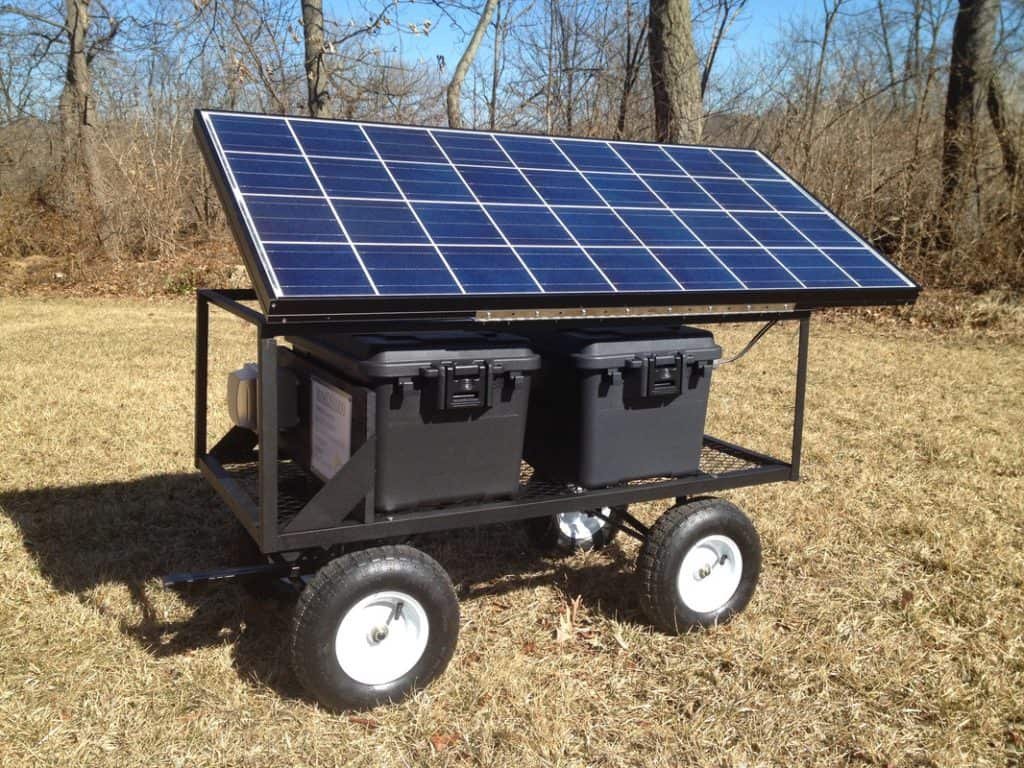
Choosing the right solar generator isn't about finding the biggest or the cheapest; it's about perfectly matching its capabilities to your specific needs. From keeping your fridge running during a power outage to fueling a remote construction project or simply charging your devices on a serene camping trip, the "best" generator is truly subjective. This guide cuts through the noise to help you understand what matters most, ensuring you invest in a power solution that serves your life.
At a Glance: Key Takeaways for Your Solar Generator Search
- Match Capacity to Use: Don't overpay for power you don't need, or undershoot and be left powerless. Calculate your total wattage for the devices you intend to run.
- Prioritize LiFePO4 Batteries: For longevity, safety, and faster charging, Lithium Iron Phosphate (LiFePO4) is the gold standard, offering thousands of charge cycles.
- Charging Speed is Crucial: Look at input capacity (Watts) to gauge how quickly your generator can recharge from solar, wall outlets, or your car. Fast charging capabilities are a game-changer.
- Output Power (W) Matters: Ensure the generator can deliver enough power to run your most demanding devices, especially those with high "surge" startup requirements.
- Portability vs. Power: Smaller units are great for quick trips; larger units often come with wheels and handles for necessary mobility but are still heavy.
- Smart Features & Ports: Mobile app control and a diverse range of output ports enhance convenience and versatility.
- Discounts are Common: Keep an eye out for major shopping holidays for significant savings.
Why Solar Power? The Silent, Clean Revolution
Forget the roar and fumes of traditional gas generators. Solar generators — a sophisticated pairing of a rechargeable battery pack (power station) and portable solar panels — offer a cleaner, quieter, and safer alternative. They're your personal grid in a box, ready for anything from home emergencies to off-grid adventures like camping, tailgating, or powering remote DIY projects. They demand less maintenance, produce zero emissions, and eliminate the need to store flammable fuel, making them an increasingly popular choice for backup power and portable energy needs.
Decoding the Specs: What Truly Matters in a Solar Generator
Before diving into specific recommendations, let's clarify the key specifications you'll encounter. Understanding these numbers will empower you to make an informed decision, tailored precisely to your energy requirements. If you're new to the world of these devices, you might want to learn more about understanding portable power stations before digging deeper into solar specifics.
Storage Capacity (Watt-hours - Wh): How Much Juice?
This is perhaps the most critical number: how much power the generator can store. Think of Watt-hours (Wh) like the size of a fuel tank. The bigger the number, the longer it can run your devices.
- Calculation: To estimate how long a generator can power a device, use this simple formula:
(Generator Wh) / (Device Wattage) = Hours. - Recommendations:
- Under 1,000Wh: Perfect for charging smaller electronics (phones, laptops, drones) and powering a few LED lights for a day or two. Ideal for quick outings or basic backup.
- 1,000-1,500Wh: A sweet spot for multi-day road trips, extended camping, or powering critical small appliances like a mini-fridge for a few hours.
- Over 1,500Wh: Essential for significant home backup (refrigerators, medical devices), powering multiple tools on a worksite, or extended off-grid living. These often offer expansion options.
Pro Tip: Always overestimate your power needs. It’s better to have too much capacity than not enough. For example, running two 60-watt light bulbs for two hours requires 240Wh, so a 500Wh generator is a minimum for this task.
Output Capacity (Watts - W): Powering Your Devices
While Wh tells you how long you can power something, Output Watts (W) tells you what you can power. This is the maximum amount of power the generator can deliver to your devices at one time.
- Continuous vs. Surge: Generators list a continuous output (what they can sustain) and a higher "surge" capacity (a short burst of power for devices like refrigerators or power tools that draw more power at startup).
- Minimums: We recommend a minimum continuous output of 300W for basic needs, with 500W or more for larger appliances or simultaneous device charging. For power-hungry tools or major appliances, look for 2,000W+ output.
Input Capacity (Watts - W) & Charging Speed: Getting Back to Full
This indicates how quickly your generator can recharge. Higher input wattage means faster charging, whether from solar panels, a wall outlet, or your car.
- Solar Input: For truly off-grid capabilities, look for at least a few hundred watts of solar input capacity. The more, the faster it will replenish, especially on sunny days. You'll want to carefully consider choosing the right solar panels to maximize this input.
- Wall Outlet (AC) Charging: Most modern units offer rapid AC charging, often reaching 0-80% in under an hour for mid-sized units.
- 12V Car Charging: Handy for topping up on the go, but typically the slowest charging method.
- Simultaneous Charging: Some advanced models allow charging from both AC and solar at the same time for maximum speed, drastically reducing downtime.
Battery Type: The Heart of Your Generator
Not all batteries are created equal. This choice impacts lifespan, safety, and even performance in extreme temperatures.
- Lithium Iron Phosphate (LiFePO4 or LFP): This is the gold standard. LiFePO4 batteries offer a significantly longer lifespan (3,000 to 6,000+ charge cycles to 80% health), enhanced safety, and often faster charging. They are generally heavier than older Lithium-ion NMC batteries, but their benefits far outweigh the extra weight. Many people seek out the advantages of LiFePO4 batteries for their reliability.
- Sodium-ion: An exciting emerging technology, sodium-ion batteries boast superior performance in extreme cold, making them ideal for specialized use cases.
Portability: Can You Take It With You?
If your generator is destined for outdoor adventures, its size and weight are paramount.
- Weight Range: Modern generators range from a lightweight 7 pounds to heavy-duty 100+ pounds. Most versatile units fall between 30-60 pounds.
- Design: Look for compact designs (e.g., shoebox-sized for smaller units) and essential features like built-in ergonomic handles or sturdy wheels for larger models.
Ports & Smart Features: Connectivity and Control
A good solar generator should offer a variety of output ports to handle all your devices.
- Standard Ports: AC outlets (crucial for most household appliances), USB-A, USB-C (especially with Power Delivery for laptops), 12V DC, and car ports.
- Specialized Ports: Larger units might include 30A RV outlets or even 240V plugs for heavy-duty applications.
- Smart Features: Many contemporary generators come with mobile apps (Bluetooth/Wi-Fi) that allow remote monitoring of power levels, control over settings, and even firmware updates.
Durability and Warranty: An Investment for the Long Haul
A solar generator is an investment. Ensure it's built to last, especially if it will face outdoor conditions. Reputable brands back their products with multi-year warranties (e.g., 5 years is common for quality units), providing peace of mind.
Matching Your Power Needs: How to Choose Your Perfect Solar Generator
Now that we've covered the specs, let's apply them to real-world scenarios. Your "best" solar generator will directly depend on your primary use case.
For Home Emergency Backup (Critical Appliances)
When the grid goes down, you want reliable power for your refrigerator, medical devices, lighting, and communication.
- What to Look For:
- High Storage Capacity (2,000Wh+): Essential for running major appliances for extended periods. Expandable systems are a huge plus.
- High Output Capacity (2,000W+): To handle high-draw appliances like refrigerators, microwaves, or sump pumps, including their surge power.
- Fast AC Charging: To quickly top up the unit when grid power briefly returns.
- Ample AC Outlets: To plug in multiple household devices.
- Potential for RV/240V Plugs: If you have specific heavy-duty appliances or an RV.
- Top Picks:
- EcoFlow Delta Pro: A powerhouse (3,600Wh, expandable to 10,800Wh) with a 4,500W inverter and 30-amp RV port. Ideal for extensive whole-house backup.
- EcoFlow Delta 3 Ultra Plus: Offers 3,072Wh (expandable to 11KWh) and 3,600W output (7,200W surge). Features Storm Guard Mode and a 30A RV outlet, charging in a rapid 89 minutes.
- Bluetti Elite 200 v2: An excellent all-rounder (2,073Wh, 2,600W output) that can serve as a strong medium-capacity home backup solution, balancing portability and power.
For Multi-Day Camping & RV Trips (Comfort & Convenience)
Keeping your essentials charged and running small comforts like a coffee maker or portable fridge.
- What to Look For:
- Good Storage Capacity (1,000-2,000Wh): Enough for several days of power without constant recharging.
- Moderate Portability: Some weight is acceptable, but wheels or good handles are a must.
- Versatile Ports: AC, USB-C PD, and 12V DC for various devices.
- High Solar Input: To efficiently recharge while you're out enjoying nature.
- Top Picks:
- Jackery Explorer 2000 Plus: With 2,042.8Wh (expandable to 24,000Wh) and 6,000W output, it's a robust choice with wheels and a handle, perfect for powering high-wattage camp devices.
- EcoFlow Delta 2 (with extra battery): Its 1,024Wh LFP battery, expandable to 2,048Wh, makes it a "sweet spot" for small families wanting ample power for a few days. Its 500W DC/solar input is efficient.
- Anker 767 Portable Power Station: At 2,048Wh and 2,400W output, it charges incredibly fast (0-80% in <30 min AC) and has wheels/handle, making it excellent for frequent, comfortable use.
For Car Camping & Day Trips (Lightweight & Essential)
Perfect for charging phones, cameras, drones, and running a small camp light.
- What to Look For:
- High Portability (under 30 lbs): Easy to carry from the car to the campsite.
- Compact Size: Doesn't take up much space in your vehicle.
- Sufficient Capacity (500-1,000Wh): Enough for basic electronics and perhaps a small appliance for a few hours.
- Integrated Features: Like a camp lamp, for added convenience.
- Top Picks:
- Anker Solix C800 Plus: A compact 24-pound unit with 768Wh storage and 1,200W output, featuring an integrated magnetic camp lamp.
- Ecoflow River 2 Pro: Very portable at 17 pounds, offering 768Wh, 800W AC output (1600W boost), and charging 0-full AC in just 70 minutes. It also comes with a 5-year warranty.
For Power Tools & Worksite Use (Robust Output)
Powering saws, drills, and other heavy-duty equipment where traditional outlets aren't available.
- What to Look For:
- High Output Capacity (2,000W+): To handle continuous tool use and significant surge requirements.
- Large Storage Capacity: To keep tools running for extended periods.
- Durability: A robust build to withstand tougher environments.
- Fast Charging: To minimize downtime between charges.
- Top Picks:
- EcoFlow Delta Pro: Its immense capacity and 4,500W inverter can easily handle multiple power tools.
- Anker 767 Portable Power Station: Its 2,400W output and rapid charging make it a strong contender for worksite tasks where you need power quickly.
For Extreme Cold Adventures (Specialized Tech)
When your adventures take you to sub-freezing temperatures, standard batteries can struggle.
- What to Look For:
- Sodium-ion Battery: Specifically designed to perform and charge efficiently in very cold conditions.
- Insulated Design: To protect internal components.
- Fast Charging: Cold environments can be harsh, so quick recharges are a plus.
- Top Pick:
- Bluetti Pioneer Na: The first sodium-ion generator, it offers 900Wh storage and 1,500W output, performing admirably in temperatures as low as -20°F and charging 0-full in just 45 minutes.
For Budget-Conscious Buyers (Basic Needs)
If you just need reliable power for small electronics without breaking the bank.
- What to Look For:
- Lower Storage Capacity (under 500Wh): Sufficient for charging phones, tablets, and small lights.
- Compact and Lightweight: Easy to carry around for everyday use.
- Essential Ports: USB-A, USB-C, and a few AC outlets.
- Top Pick:
- Jackery Explorer 300: Super compact and weighing only 7.1 pounds, this 293Wh unit with 300W output is an excellent, affordable choice for basic device recharging.
For Gadget Enthusiasts (Lots of Devices)
When you need to power and charge multiple laptops, drones, cameras, and other electronics simultaneously.
- What to Look For:
- Abundant and Diverse Ports: Especially multiple USB-C PD ports and numerous AC outlets.
- High Output Capacity: To handle all devices at once.
- Fast Charging: Both input and output, to keep your tech ready to go.
- Top Picks:
- DJI Power 2000: With 2,048Wh storage and 3,000W output, its standout feature is the sheer number of ports: four AC, four USB-A, four USB-C, plus a 30A plug. Note its 4,000 cycles to 80% lifespan, which is good but not top-tier LiFePO4.
- EcoFlow Delta 2 Max: Offers 2,048Wh (expandable to 6,000Wh) and a whopping 3,400W output. It boasts six AC outlets and incredible charging speed, going from 0-80% in just 43 minutes with 1,000W solar input.
Smart Solar Generator Ownership: Tips for Longevity and Safety
Beyond the initial purchase, how you use and maintain your solar generator significantly impacts its performance and lifespan. Understanding other off-grid power solutions can also expand your capabilities, but these tips focus on your solar generator specifically.
- Seize Discount Opportunities: Solar generators are significant investments. Keep an eye out for major shopping holidays like Amazon Prime Day or Black Friday, where reputable brands often offer substantial discounts.
- Optimal Placement for Protection: While solar panels are designed to be weather-resistant and can endure direct sun and rain, your generator unit itself needs shelter. Always place the generator on a covered patio, indoors, or inside a vehicle to shield it from direct elements like rain, extreme heat, or freezing conditions. Use extension cables to position your solar panels in the best sun exposure, away from the generator.
- Monitor Your Household Power Circuit: When fast-charging larger solar generators via an AC wall outlet, pay attention to the power draw. These units can pull a lot of watts, potentially tripping breakers if connected to a shared household circuit. Many generators have companion apps that allow you to lower the input wattage, preventing an overload and ensuring smooth charging.
- Expect a Long Lifespan: Modern solar generators are built to last. Thanks to robust construction and minimal moving parts, many are designed to provide reliable power for over 25 years. The LiFePO4 batteries within them typically retain 80% of their original capacity after 3,000 to 6,000+ charge cycles, ensuring a long and useful life.
Common Questions About Solar Generators
Are solar generators truly better than gas generators?
For most residential and portable uses, yes. Solar generators are quieter, produce no harmful fumes, require less maintenance (no oil changes or fuel stabilizers), and are generally safer for indoor use (though panels must be outside for charging). Gas generators might offer more raw, continuous power for heavy-duty construction, but solar generators excel in convenience, safety, and environmental impact.
How long do solar generators last?
The units themselves, with proper care, are designed for 25+ years of service. The critical component is the battery. Modern LiFePO4 batteries typically maintain over 80% of their original capacity after 3,000 to 6,000 full charge-discharge cycles. This means even with daily heavy use, the battery alone can last many years.
Can a solar generator really power my refrigerator?
Absolutely. Many mid-to-large capacity solar generators (1,000Wh+ storage with 1,500W+ output) are perfectly capable of running a standard refrigerator. The key is to check your fridge's wattage (usually around 100-200W running, with a higher startup surge) and ensure the generator's Wh capacity can sustain it for your desired duration. For example, a 2,000Wh generator could potentially run a 150W fridge for over 10 hours.
What if I need to charge my generator when it's cloudy or raining?
Solar panels will still generate some power on cloudy days, albeit at a reduced rate. In continuous rainy conditions, solar charging will be minimal. This is where multi-charging options become vital: you can rely on AC wall charging (if available) or 12V car charging to keep your unit topped up. For extended periods without sun, consider a generator with exceptional AC fast-charging capabilities.
Making Your Decision: Beyond the Specs
Choosing your solar generator is a personal journey. While the specifications offer clear data points, the ultimate "best" unit will always be the one that most seamlessly integrates into your lifestyle, meeting your unique power demands without compromise.
Take the time to assess your heaviest power users, consider how often you'll need the generator, and don't forget about future expansion possibilities. Whether it’s providing peace of mind during outages or empowering your next off-grid adventure, the right solar generator is an investment in freedom and resilience.
Ready to dive deeper? Explore specific models and their real-world performance in our in-depth solar generator reviews.